
When it comes to choosing the best type of water heater for your home in Upstate South Carolina, there are several factors to consider, including energy costs, climate, household size, and the age of your home. This guide will break down the options, helping you make an informed decision.
Traditional Tank Water Heaters: Gas vs. Electric
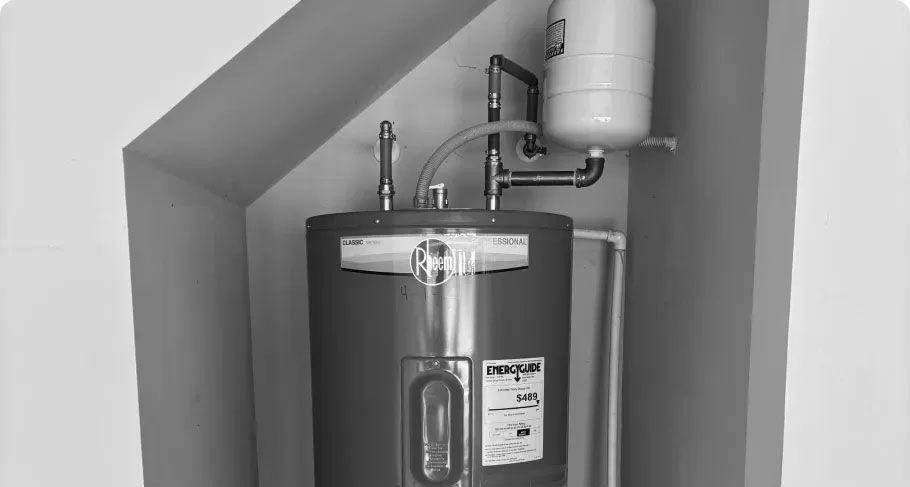
Gas Tank Water Heaters
Pros:
- Efficiency: Gas water heaters are generally more efficient and cost-effective than electric models, especially in regions with lower natural gas prices.
- Speed: They heat water faster, which is beneficial for larger households with high hot water demand.
- Lower Operating Costs: Natural gas is often cheaper than electricity, leading to lower utility bills.
Cons:
- Venting Requirements: Gas heaters require proper venting to expel combustion gases, which can complicate installation, especially in older homes.
- Safety Concerns: There’s a risk of carbon monoxide poisoning if the unit is not properly ventilated.
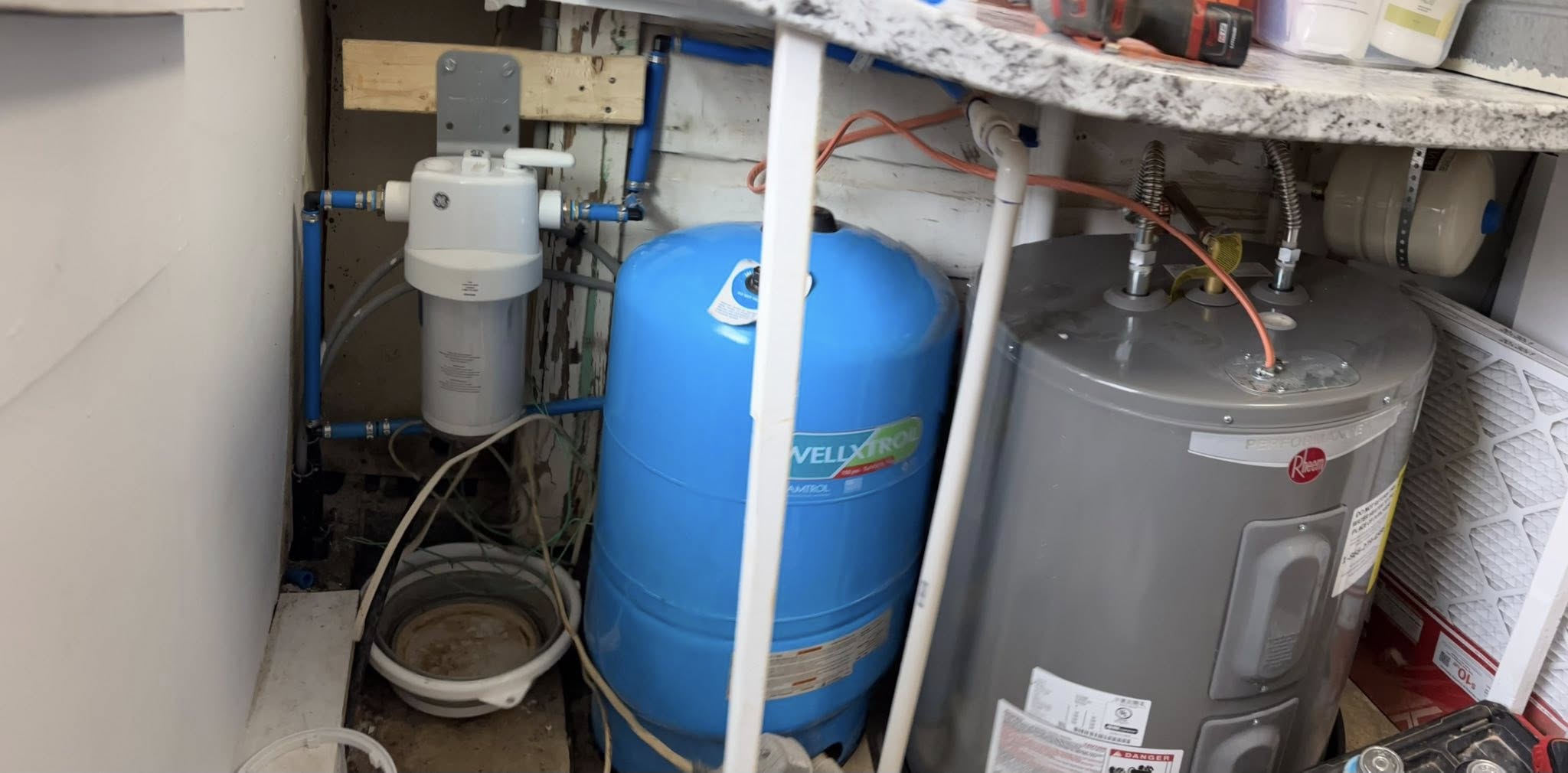
Electric Tank Water Heaters
Pros:
- Safety: Electric heaters are safer because they don’t produce combustion gases.
- Ease of Installation: They are generally easier and less expensive to install, as they don’t require venting or gas lines.
Cons:
- Higher Operating Costs: Electricity is often more expensive than natural gas, leading to higher utility bills.
- Slower Heating: Electric models take longer to heat water, which can be a drawback for larger families.
Tankless Water Heaters: Gas vs. Electric
Gas Tankless Water Heaters
Pros:
- Energy Efficiency: Gas tankless heaters are highly energy-efficient, reducing energy consumption by up to 34%.
- Endless Hot Water: They provide a continuous supply of hot water, which is ideal for larger families or homes with multiple bathrooms.
- Longevity: With proper maintenance, gas tankless units can last up to 20 years, nearly twice as long as traditional tank heaters.
Cons:
- Higher Upfront Costs: The initial investment for a gas tankless system, including installation and potential upgrades, can be significantly higher.
- Complex Installation: They require professional installation, which may involve modifying your home’s gas lines and venting system.
Electric Tankless Water Heaters
Pros:
- Energy Efficiency: Electric tankless heaters are also highly efficient, with some models boasting energy savings of up to 34%.
- Compact Size: They are smaller and can be installed in tight spaces, making them ideal for new home builds or renovations.
- No Venting Required: Electric models don’t need venting, simplifying installation in some cases.
Cons:
- Limited Flow Rate: Electric tankless heaters may struggle to supply hot water to multiple fixtures simultaneously, which can be a issue for larger households.
- Higher Electrical Demand: They require a dedicated circuit, which may necessitate upgrading your home’s electrical system.
Less Common Options: Solar and Hybrid Water Heaters
Solar Water Heaters
Pros:
- Environmentally Friendly: Solar heaters use renewable energy, reducing your carbon footprint.3
- Cost-Effective: Once installed, solar heaters can significantly reduce your energy bills, especially in sunny regions.
Cons:
- High Upfront Costs: The initial investment for solar water heating systems is typically the highest among all options.
- Backup System Needed: A conventional or tankless backup system is often required for cloudy days or high-demand periods.
Hybrid (Heat Pump) Water Heaters
Pros:
- Extremely Efficient: Heat pump water heaters use heat pump technology to transfer heat from the surrounding air to the water, making them highly efficient.3
- Cost Savings: They can save you money on energy bills, especially in moderate climates like Upstate South Carolina.
Cons:
- Space Requirements: Hybrid units require more space than tankless models and are typically installed in basements or utility rooms.
- Higher Initial Cost: The upfront cost is higher than traditional tank heaters, although long-term savings can offset this.
Factors to Consider for Upstate South Carolina
Low Energy Costs
Upstate South Carolina benefits from relatively low energy costs, which can make traditional tank water heaters a more economical choice in the short term. However, the long-term savings from tankless or hybrid systems might still make them a worthwhile investment.5,7
Moderate Climate with Heavy Storms
The moderate climate of Upstate South Carolina is suitable for both tankless and hybrid water heaters, as they perform well in such conditions. However, during heavy storms, ensuring your water heater is properly protected from moisture and potential flooding is crucial.7,9
Large Family Units and Older Homes
For large families, gas tankless water heaters are often the best choice due to their ability to provide endless hot water and their efficiency. In older homes, however, the installation of a tankless system might require significant upgrades to gas lines and electrical systems, which can add to the overall cost.5,6
New Home Build Communities
In new home build communities, tankless water heaters are increasingly common due to their space-saving design and energy efficiency. Many new homes are already equipped with the necessary infrastructure for tankless systems, making them a convenient and modern choice.5,10
So What Option Is Best?
Choosing the best water heater for your Upstate South Carolina home depends on your specific needs and circumstances. Traditional tank water heaters offer a lower upfront cost and simpler installation, while tankless models provide long-term energy savings and endless hot water. Solar and hybrid options are also worth considering for their efficiency and environmental benefits. Consulting with a local Simpsonville Upstate plumber, like our team at Warmer Water & Plumbing, can help you make the best decision for your home.